

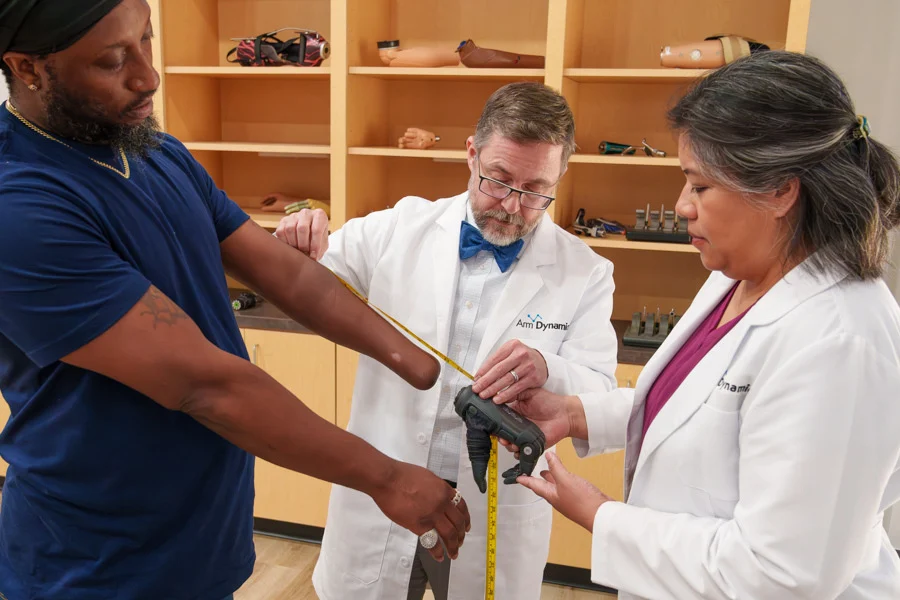
Losing an arm above the elbow can be a life-altering experience, but advancements in prosthetic technology are transforming how individuals regain functionality and independence. Above-elbow prostheses are no longer just basic mechanical devices; they now integrate cutting-edge materials and innovative designs tailored to meet diverse needs.
These modern solutions offer enhanced mobility, improved comfort, and even lifelike aesthetics, empowering users to navigate daily tasks with confidence. From advanced myoelectric systems to lightweight designs, today’s prostheses are redefining possibilities for those living with arm amputations.
Innovations in Above-Elbow Prosthetic Technology
Recent advancements in above-elbow prosthetic technology have redefined functionality and aesthetics for users. Myoelectric systems, which use electrical signals from residual muscles, enable precise and intuitive control. These systems allow users to perform complex movements like grasping objects or rotating the wrist.
Enhanced materials, including lightweight titanium and carbon fiber, reduce fatigue during prolonged wear. The integration of these materials improves durability while maintaining user comfort. Customizable socket designs also ensure a secure and ergonomic fit, minimizing skin irritation.
Bionic hand attachments with multi-articulating fingers replicate natural hand motions. These features enable actions such as typing or using utensils, which were previously challenging with basic options. Some models support software updates for functionality improvements, extending their utility over time.
Bluetooth-enabled components allow synchronization with mobile devices for customization. Users can adjust grip strength or motion settings via smartphone apps, tailoring the prosthesis to specific activities. These innovations enhance adaptability in daily life.
Organizations like PrimeCare focus on delivering above-elbow prostheses that incorporate cutting-edge technologies. By addressing individual needs, they provide solutions that offer improved mobility and restored independence for wearers.
How Modern Prostheses Improve Range of Motion
Modern above-elbow prostheses enhance range of motion through advanced technologies and ergonomic designs. Myoelectric systems, which interpret electrical signals from residual muscles, enable users to perform natural arm movements like elbow flexion, extension, and wrist rotation with precision. These systems translate muscle activity into motorized motion, providing smoother and more responsive functionality.
Lightweight materials, such as carbon fiber and titanium, contribute to improved mobility by minimizing strain on the shoulder and residual limb. Reduced device weight allows for extended use, encouraging wearers to engage in broader physical activities without discomfort or fatigue.
Multi-articulating components, including adaptive hand attachments, replicate complex joint movements. Users can perform tasks like lifting objects, pointing, and gripping utensils with increased dexterity. Adjustable settings, often managed through mobile devices or Bluetooth-enabled platforms, allow users to customize motion parameters based on their specific daily needs.
Customizable socket designs promote secure fits and eliminate excess movement, ensuring stability during operation. Superior fitting techniques reduce skin irritation, preventing restricted motion caused by physical discomfort. Providers like PrimeCare focus on delivering personalized above-elbow prostheses tailored to improve users’ functional range and maximize independence.
Benefits of Advanced Control Systems in Prosthetics
Advanced control systems in modern above-elbow prostheses provide greater functionality and precision for users. These systems enhance movement control by interpreting muscle signals from the residual limb, enabling users to perform complex tasks effortlessly. This natural interaction minimizes the cognitive strain involved in operating the prosthetic device.
Users gain access to highly customizable features through integrated technologies. For example, myoelectric control systems allow for individualized grip patterns, wrist rotation, and elbow movement adjustments tailored to specific daily activities. Bluetooth-enabled functionality also lets users modify settings such as grip force and motion speed via connected devices.
These systems boost efficiency and user experience by integrating multi-joint coordination. Tasks that mimic natural arm movement, such as reaching and lifting, become smoother and more intuitive due to optimized motor responses. This reduces the effort required during repetitive activities, enhancing overall independence for prosthesis users.
Enhanced sensory feedback features replicate tactile sensations, providing users with greater awareness while interacting with their environment. This development increases the precision of delicate actions like threading a needle or picking up fragile objects. The combination of advanced control features and user-centered adaptability makes these systems crucial in delivering superior performance for above-elbow prostheses.
Achieving a Natural Appearance and Functionality
Above-elbow prostheses now incorporate advanced materials and designs to enhance aesthetics and functionality. Silicone skin covers, customized to match the user’s skin tone, create a realistic appearance while protecting underlying components. Detailed features such as veins, freckles, and nails add lifelike elements, improving the overall look.
To replicate natural arm movements, myoelectric prostheses translate muscle signals into precise motorized actions. These systems enable intuitive control of elbow flexion, hand grasping, and wrist rotation, achieving fluid, human-like motions. Multi-articulating fingers further enhance functionality, supporting fine motor tasks like writing or picking up small objects.
Lightweight materials such as carbon fiber and titanium contribute to ergonomic designs, reducing shoulder strain and improving balance during use. Custom-fitted prosthetic sockets ensure a comfortable fit, minimizing rubbing and pressure points. For users seeking seamless functionality, providers like PrimeCare offer personalized above elbow prosthesis solutions tailored to individual needs.
Integrating sensory feedback systems enhances usability by simulating touch. Users can experience pressure and texture through their prosthetic hand, improving precision for delicate tasks. Bluetooth-enabled features allow settings such as grip strength and hand positioning to be adjusted, ensuring optimal performance in various activities.
Personalized Solutions for Enhanced Independence
Modern above-elbow prostheses represent a fusion of cutting-edge technology and user-centered design, offering individuals the tools to reclaim their independence and enhance their quality of life. These advancements go beyond functionality, providing comfort, durability, and lifelike aesthetics that empower users to navigate daily tasks with ease.
With features like myoelectric control, lightweight materials, and customizable components, these prostheses cater to the unique needs of each individual. They not only restore mobility but also instill confidence, enabling users to engage in activities they may have once thought unattainable.
As technology continues to evolve, above-elbow prostheses will only become more intuitive and effective, ensuring that those living with arm amputations can lead active, fulfilling lives.

Comments are closed.