

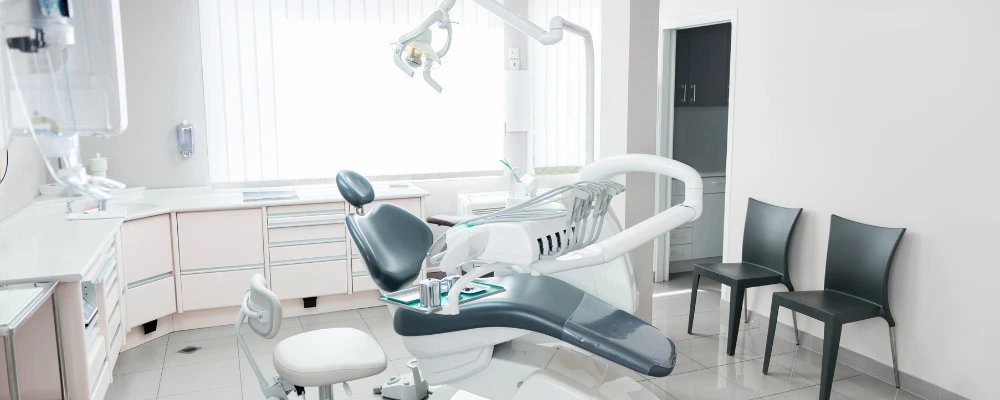
Clinics are an essential component of healthcare systems worldwide, offering a wide range of medical services designed to maintain health, prevent diseases, and treat illnesses. Unlike hospitals, clinics often focus on outpatient care, providing patients with efficient and specialized medical attention. Whether it’s a primary care clinic, specialty clinic, or community health center, the role of clinics in promoting public health cannot be overstated.
What is a Clinic?
A clinic is a healthcare facility that provides medical services to patients without requiring overnight hospitalization. Clinics range from small private practices to large multi-specialty centers with advanced diagnostic and treatment facilities. The primary objective of clinics is to provide accessible and timely healthcare, focusing on both preventive and curative services.
Key Characteristics of Clinics
- Outpatient Services: Patients visit for consultation, diagnostic tests, and treatment without being admitted overnight.
- Specialization: Clinics may focus on general health or specific medical fields such as dermatology, cardiology, or pediatrics.
- Accessibility: Clinics are often strategically located to serve local communities, making healthcare more reachable.
- Cost-Effective Care: Compared to hospitals, clinics usually provide more affordable medical services for routine care.
Types of Clinics
Clinics can be categorized based on their services, ownership, and target population. Understanding the types of clinics helps patients choose appropriate care tailored to their medical needs.
1. Primary Care Clinics
Primary care clinics serve as the first point of contact for patients seeking general health services. These clinics provide preventive care, health screenings, vaccinations, and management of common illnesses. Primary care physicians in these clinics often coordinate care with specialists when necessary, ensuring a holistic approach to patient health.
2. Specialty Clinics
Specialty clinics focus on specific medical fields, offering advanced care in areas such as:
- Cardiology Clinics: Address heart-related conditions and preventive heart care.
- Dermatology Clinics: Provide skin treatments, cosmetic procedures, and early detection of skin disorders.
- Orthopedic Clinics: Manage musculoskeletal issues, including fractures, arthritis, and sports injuries.
- Dental Clinics: Offer oral health services, including preventive care, surgery, and cosmetic dentistry.
Specialty clinics often employ highly trained professionals and advanced technology to provide targeted and effective care.
3. Community Health Clinics
Community health clinics are designed to serve underserved populations, providing affordable or free medical care. They often focus on preventive health programs, maternal and child health, chronic disease management, and health education. Community clinics play a crucial role in improving public health, particularly in rural and low-income areas.
4. Urgent Care Clinics
Urgent care clinics bridge the gap between primary care and emergency care, offering immediate attention for non-life-threatening medical issues such as minor injuries, infections, and acute illnesses. These clinics operate with extended hours, often including weekends and evenings, providing convenience for patients who require prompt care.
Services Offered in Clinics
Modern clinics offer a diverse range of services to cater to varying patient needs. Some common services include:
- Consultations and Diagnosis: Doctors assess patient symptoms, perform examinations, and recommend treatments.
- Preventive Care: Vaccinations, screenings, and health check-ups help detect diseases early.
- Laboratory Services: Blood tests, urine tests, and other diagnostic tests enable accurate disease detection.
- Minor Surgical Procedures: Some clinics perform outpatient surgeries or minor procedures under local anesthesia.
- Chronic Disease Management: Clinics provide ongoing care for conditions such as diabetes, hypertension, and asthma.
- Rehabilitation Services: Physical therapy, occupational therapy, and counseling services help patients recover and improve quality of life.
By offering these services under one roof, clinics enhance patient convenience and improve health outcomes.
Technological Innovations in Clinics
Technological advancements have significantly transformed clinic operations and patient care. The integration of technology ensures faster diagnosis, improved treatment, and better communication between healthcare providers and patients.
Electronic Health Records (EHRs)
EHRs have revolutionized patient record management, enabling clinics to maintain comprehensive digital health histories. Doctors can access patient information quickly, reducing medical errors and improving coordination between specialists.
Telemedicine Services
Telemedicine allows patients to consult with doctors remotely, making healthcare accessible to those unable to visit the clinic physically. Telehealth platforms also facilitate follow-up consultations, prescription refills, and mental health support.
Diagnostic Imaging and Laboratory Automation
Modern clinics utilize advanced imaging technologies such as X-rays, ultrasounds, and MRI scans to detect conditions accurately. Automated laboratory systems improve the efficiency and accuracy of diagnostic tests, reducing waiting times for patients.
Appointment and Patient Management Systems
Digital scheduling tools and patient management software streamline clinic operations, optimize resource allocation, and enhance patient satisfaction by reducing wait times and improving communication.
Benefits of Visiting a Clinic
Visiting a clinic offers several advantages over other healthcare settings, particularly for routine or specialized outpatient care.
- Accessibility and Convenience: Clinics are often located in easily reachable areas, with flexible appointment schedules.
- Personalized Care: Smaller patient volumes allow healthcare providers to spend more time with each patient, understanding their unique medical needs.
- Cost-Effectiveness: Clinics often provide affordable healthcare services, making them a viable option for routine check-ups and preventive care.
- Preventive Focus: Many clinics emphasize health maintenance, early diagnosis, and lifestyle guidance, reducing the risk of severe illnesses.
- Community Engagement: Clinics play a pivotal role in educating the public about health practices and promoting wellness initiatives.
Choosing the Right Clinic
Selecting the right clinic is essential for ensuring quality healthcare. Patients should consider the following factors:
- Medical Expertise: Check the qualifications and specialization of healthcare providers.
- Services Offered: Ensure the clinic provides the specific care and tests you require.
- Technology and Facilities: Modern equipment and digital systems enhance the accuracy and convenience of care.
- Patient Reviews: Feedback from previous patients can provide insights into the quality of care and patient experience.
- Accessibility: Consider location, operating hours, and emergency services availability.
By carefully evaluating these factors, patients can find a clinic that meets their medical needs efficiently.
The Role of Clinics in Public Health
Clinics contribute significantly to public health by providing preventive care, promoting health education, and ensuring timely medical interventions. During outbreaks or pandemics, clinics serve as crucial points for testing, vaccinations, and public awareness campaigns. Their proactive approach helps reduce disease transmission and supports community well-being.
Future of Clinics
The future of clinics is closely tied to technological advancements and patient-centered care models. Innovations such as AI-driven diagnostics, remote monitoring devices, and integrated health platforms are expected to further enhance clinical efficiency and patient outcomes. Clinics are also increasingly focusing on holistic care, integrating mental health, nutrition, and lifestyle management into routine services.
As healthcare systems evolve, clinics will continue to play a vital role in making quality medical care accessible, affordable, and personalized for communities worldwide.
FAQs About Clinics
1. What is the difference between a clinic and a hospital?
Clinics primarily offer outpatient care without overnight stays, focusing on preventive and minor medical treatments, while hospitals provide inpatient care, advanced surgical procedures, and emergency services.
2. Are all clinics private healthcare facilities?
No, clinics can be both private and public. Community health clinics, for instance, are often publicly funded to provide affordable care to underserved populations.
3. How do clinics handle emergencies?
While clinics are not equipped for severe emergencies, urgent care clinics can treat non-life-threatening conditions. Patients requiring critical care are usually referred to hospitals.
4. Can clinics perform surgeries?
Some clinics perform minor outpatient surgeries and procedures under local anesthesia, but major surgical operations are typically conducted in hospitals.
5. How do telemedicine services at clinics work?
Patients can consult doctors via video calls, online chat, or phone consultations, allowing remote diagnosis, follow-up, and prescription services.
6. What are the benefits of regular visits to a clinic?
Regular clinic visits help in early disease detection, preventive care, chronic disease management, and maintaining overall health and wellness.
7. Are diagnostic tests at clinics accurate?
Modern clinics use advanced laboratory and imaging technologies to ensure reliable diagnostic results, comparable to those provided by hospitals.
Clinics have become an indispensable part of modern healthcare, bridging the gap between patients and medical services. With a focus on accessibility, preventive care, and technological integration, clinics continue to enhance the overall healthcare experience for individuals and communities alike.

Comments are closed.