

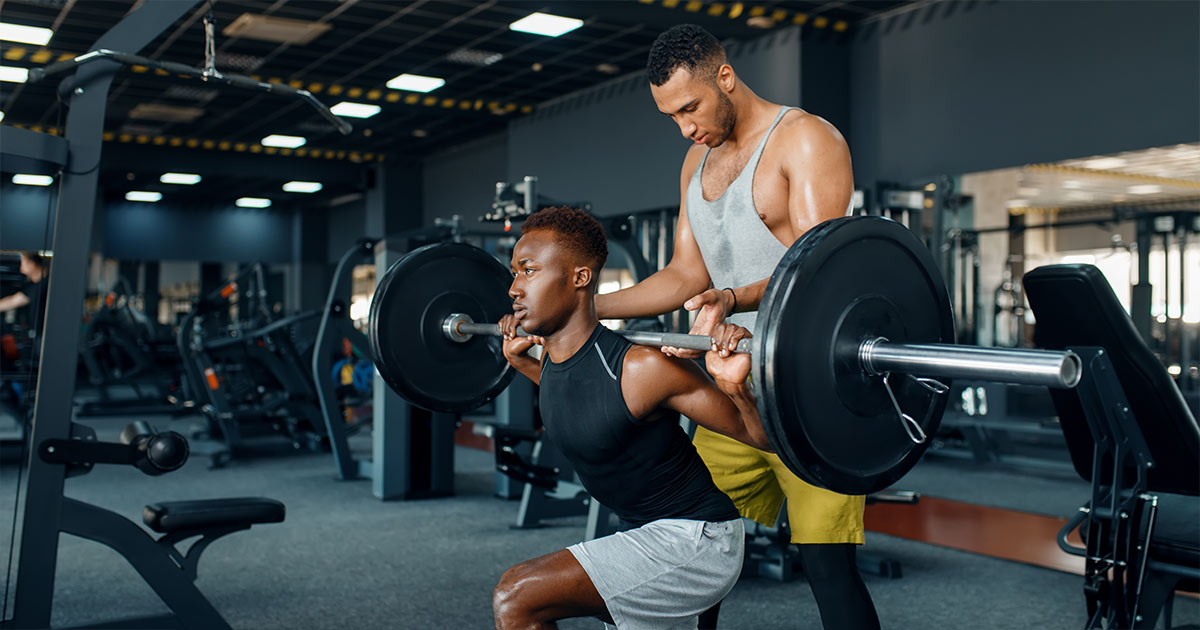
Fitness is more than just physical appearance—it is a holistic approach to improving health, increasing energy, and promoting overall well-being. Maintaining consistent fitness levels supports the body and mind, reduces the risk of chronic diseases, and enhances the quality of life. Whether you are a beginner or a seasoned athlete, understanding fitness principles is essential for long-term health.
Understanding Fitness
Fitness encompasses multiple components, including cardiovascular endurance, muscular strength, flexibility, and body composition. A well-rounded fitness program integrates these components to enhance overall functionality and performance. Fitness is not a one-size-fits-all concept; it varies according to age, lifestyle, and health goals.
Core Components of Fitness
- Cardiovascular Endurance: The ability of the heart and lungs to deliver oxygen efficiently during sustained activity.
- Muscular Strength and Endurance: The capacity of muscles to generate force and maintain activity over time.
- Flexibility: The range of motion available in joints and muscles, critical for preventing injuries.
- Body Composition: The ratio of fat mass to lean muscle mass, a key indicator of overall fitness.
Benefits of Maintaining Fitness
Maintaining consistent fitness levels offers a range of physical, mental, and emotional benefits:
- Improved Physical Health: Regular exercise strengthens muscles, enhances cardiovascular performance, supports bone health, and reduces the risk of diseases such as diabetes, hypertension, and heart disease.
- Enhanced Mental Health: Fitness activities stimulate endorphin release, reducing stress, anxiety, and depression while improving cognitive function and focus.
- Weight Management: Consistent fitness routines help regulate body weight, improve metabolism, and optimize body composition.
- Increased Energy and Stamina: Regular physical activity enhances endurance, making daily tasks easier and less exhausting.
- Longevity and Disease Prevention: A lifestyle centered on fitness contributes to longer life expectancy and a lower risk of chronic illnesses.
Types of Fitness Activities
Fitness routines can be classified into various categories based on objectives, intensity, and physical demands. Combining multiple types ensures balanced health and performance improvement.
1. Cardiovascular or Aerobic Fitness
Cardiovascular fitness focuses on improving heart and lung efficiency while increasing stamina. Effective aerobic activities include:
- Running and Jogging: Boosts heart health, burns calories, and improves endurance.
- Cycling: Strengthens leg muscles and supports cardiovascular function.
- Swimming: Provides a full-body workout with minimal joint impact.
- Rowing: Enhances upper body strength and cardiovascular endurance.
Aerobic fitness is essential for weight management, reducing fatigue, and improving overall heart and lung function.
2. Strength and Resistance Training
Strength training builds muscle mass, improves bone density, and increases metabolic rate. It includes:
- Weightlifting: Targeted exercises that focus on specific muscle groups for strength and growth.
- Bodyweight Workouts: Push-ups, squats, planks, and lunges provide effective resistance training without equipment.
- Resistance Bands and Machines: Offer controlled resistance to improve muscle tone and endurance.
Strength training also supports posture, balance, and injury prevention.
3. Flexibility and Mobility Training
Flexibility exercises improve joint function, reduce stiffness, and enhance overall mobility. Common activities include:
- Yoga: Combines stretching, balance, and mindfulness for full-body flexibility.
- Pilates: Focuses on core strength while promoting flexibility and controlled movement.
- Dynamic Stretching: Prepares muscles for activity and reduces injury risk.
Flexibility training ensures smooth movement during daily tasks and sports activities.
4. Functional and Balance Training
Functional fitness emphasizes exercises that mimic real-life movements to improve balance, coordination, and strength. Key activities include:
- Single-Leg Workouts: Improve stability and proprioception.
- Balance Boards or Stability Balls: Strengthen core muscles and coordination.
- Bodyweight Functional Exercises: Squats, lunges, and push-ups improve daily movement efficiency.
Functional training is especially beneficial for older adults and athletes looking to optimize performance.
5. High-Intensity Interval Training (HIIT)
HIIT alternates short bursts of intense activity with recovery periods, offering maximum calorie burn in minimal time. Benefits include:
- Efficient Fat Loss: Promotes rapid calorie expenditure.
- Improved Cardiovascular Health: Enhances heart and lung performance.
- Boosted Metabolism: Stimulates metabolic activity even after workouts.
HIIT can involve exercises such as sprints, burpees, jumping jacks, and cycling intervals.
Designing a Personalized Fitness Plan
Creating a fitness plan requires understanding individual goals, abilities, and lifestyle constraints. A balanced plan integrates cardiovascular, strength, flexibility, and functional training.
Step 1: Define Fitness Goals
Identify specific objectives such as:
- Weight loss or fat reduction
- Muscle gain and toning
- Cardiovascular endurance
- Mental health improvement
- Lifestyle enhancement
Step 2: Assess Fitness Level
Evaluate your current fitness status to design a safe and effective routine. Beginners should start with low-intensity workouts, gradually progressing in duration and complexity.
Step 3: Select Appropriate Activities
Choose exercises that align with your goals and preferences. Variety keeps routines engaging while promoting overall fitness.
Step 4: Schedule Consistency
Aim for at least 150 minutes of moderate aerobic activity per week and two sessions of strength training. Integrate short stretching and mobility exercises daily.
Step 5: Prioritize Recovery
Allow muscles to recover with rest days, proper nutrition, and sufficient sleep. Recovery prevents injuries and supports long-term fitness progression.
Step 6: Track Progress
Monitoring workouts through fitness apps, journals, or wearable devices helps adjust routines, stay motivated, and maintain consistency.
Nutrition and Fitness
Nutrition is a crucial component of any fitness regimen. Proper dietary choices fuel exercise, support recovery, and enhance performance:
- Balanced Macronutrients: Incorporate carbohydrates for energy, proteins for muscle repair, and healthy fats for overall health.
- Hydration: Maintain adequate fluid intake before, during, and after exercise.
- Pre-Workout Nutrition: Light meals or snacks improve energy and focus.
- Post-Workout Recovery: Protein-rich meals, complex carbs, and hydration aid muscle recovery and growth.
Mental Health and Fitness
Fitness not only strengthens the body but also significantly enhances mental well-being:
- Reduces stress and anxiety
- Improves mood and emotional regulation
- Enhances concentration, memory, and cognitive function
- Promotes better sleep patterns
Mind-body exercises such as yoga, tai chi, and Pilates combine physical activity with mindfulness, offering dual benefits for mental and physical health.
Fitness Across Life Stages
Fitness needs vary depending on age, health status, and lifestyle:
- Children and Adolescents: Focus on playful activities, coordination, and foundational fitness.
- Adults: Balanced routines of cardio, strength, flexibility, and functional exercises support long-term health.
- Older Adults: Emphasize low-impact strength training, balance, and flexibility to maintain mobility and prevent falls.
Tailoring fitness routines to life stages ensures safety, effectiveness, and adherence.
Overcoming Fitness Challenges
Common barriers include lack of time, motivation, knowledge, or access to equipment. Strategies to overcome these obstacles include:
- Setting realistic, measurable goals
- Scheduling workouts like appointments
- Using online workouts, apps, or fitness classes
- Finding activities you enjoy to maintain engagement
- Enlisting support from family, friends, or trainers
Integrating Fitness into Daily Life
Simple lifestyle adjustments can enhance fitness levels without structured workouts:
- Walking or cycling to work instead of driving
- Using stairs instead of elevators
- Short stretching breaks during work hours
- Engaging in recreational sports or outdoor activities
Even minor incremental activity contributes to overall fitness and well-being.
FAQs About Fitness
1. How much exercise is recommended for optimal health?
Adults should aim for at least 150 minutes of moderate aerobic activity or 75 minutes of vigorous activity weekly, along with two strength training sessions.
2. Can fitness improve mental health?
Yes, regular physical activity reduces stress, anxiety, and depression while improving focus, mood, and cognitive function.
3. Are home workouts as effective as gym workouts?
Yes, home workouts using bodyweight exercises, resistance bands, or small equipment can be highly effective if performed consistently and with proper intensity.
4. How long does it take to see results from fitness routines?
Results vary by individual, but most notice improvements in strength, endurance, and energy levels within 4–6 weeks of consistent exercise.
5. Can fitness alone help with weight loss?
Exercise supports weight loss by burning calories and boosting metabolism, but combining it with a balanced diet yields the best results.
6. Is it safe to exercise every day?
Moderate daily activity is safe for most individuals, but high-intensity workouts require rest days for recovery and injury prevention.
7. How can I stay motivated to maintain fitness?
Set achievable goals, track progress, choose enjoyable activities, and seek social support from workout partners or communities.

Comments are closed.