

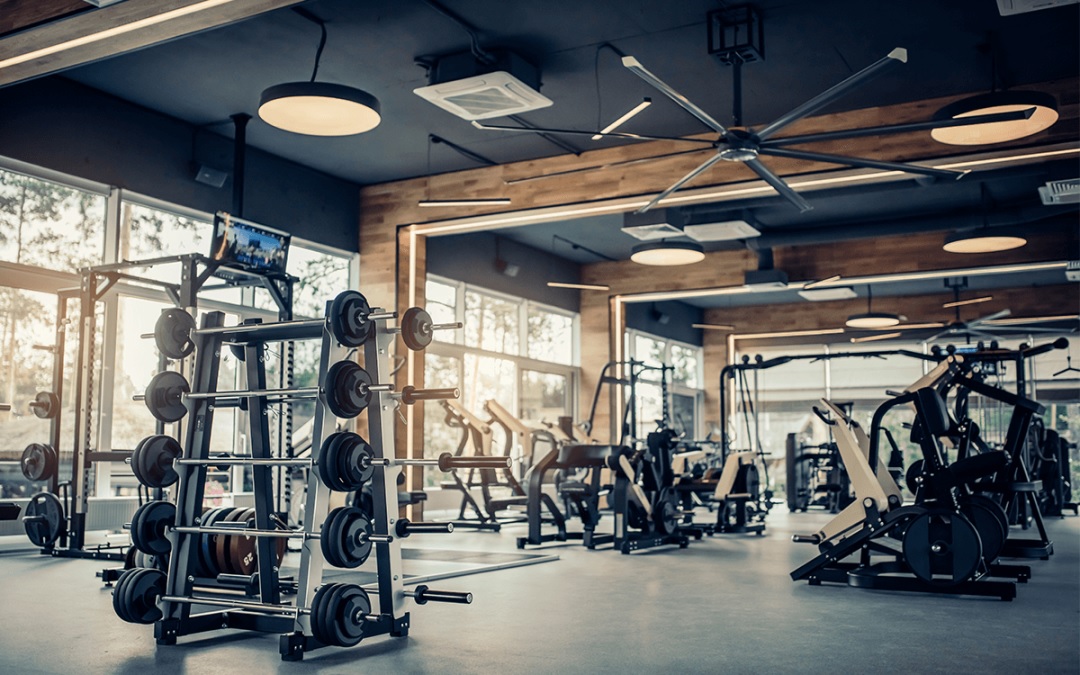
A gym is more than just a space filled with equipment; it is a hub for personal growth, physical development, and overall well-being. Whether you are aiming to build muscle, lose weight, improve endurance, or enhance mental health, the gym offers structured opportunities to achieve your fitness goals. Understanding how to make the most of a gym, selecting the right workouts, and maintaining consistency can transform your health and lifestyle.
The Importance of Joining a Gym
Joining a gym provides numerous benefits beyond home workouts or casual physical activity. These benefits include access to a wide range of equipment, professional guidance, structured programs, and an environment that encourages consistency and discipline.
Key Advantages of Gym Membership
- Variety of Equipment: Gyms provide access to machines, free weights, resistance bands, and cardio devices that allow for comprehensive strength and cardiovascular training.
- Professional Guidance: Many gyms offer certified trainers who can design personalized workout plans, demonstrate proper form, and provide motivation.
- Motivation and Community: Being in a fitness-focused environment surrounded by others with similar goals can enhance accountability and motivation.
- Specialized Classes: Gyms often provide classes such as yoga, spinning, Pilates, and HIIT, offering variety and structured instruction.
- Safety and Support: Professional supervision reduces the risk of injuries, especially for beginners learning new exercises.
Types of Gym Workouts
A well-rounded gym routine incorporates multiple training types to improve overall fitness, balance, and health.
1. Strength Training
Strength training at the gym focuses on building muscle mass, improving bone density, and increasing metabolic efficiency. Key methods include:
- Free Weights: Dumbbells, barbells, kettlebells, and medicine balls allow for functional movements and full-body engagement.
- Machines: Resistance machines provide controlled movement and are ideal for beginners learning proper form.
- Bodyweight Exercises: Push-ups, pull-ups, squats, and dips can be performed using gym bars or assisted devices.
Strength training not only enhances muscle tone but also supports posture, balance, and injury prevention.
2. Cardiovascular Training
Cardio exercises at the gym improve heart and lung efficiency, endurance, and calorie burning. Popular options include:
- Treadmills: Running or walking on treadmills allows controlled speed, incline, and duration adjustments.
- Ellipticals: Low-impact machines that protect joints while providing full-body engagement.
- Stationary Bikes and Rowing Machines: Effective for endurance training and calorie burning without excessive impact.
- HIIT Circuits: High-intensity interval training alternates periods of intense activity with short recovery, maximizing calorie burn and cardiovascular benefits.
Cardio workouts are essential for heart health, stamina, and weight management.
3. Functional and Core Training
Functional exercises mimic real-life movements, improving coordination, strength, and flexibility. At the gym, these exercises include:
- TRX Suspension Training: Uses body weight to perform full-body workouts focusing on core stability and functional strength.
- Medicine Ball Throws and Slams: Enhances explosive power and coordination.
- Cable Machines and Resistance Bands: Provide versatile resistance for compound movements.
Core and functional training strengthen stabilizing muscles, enhance posture, and reduce injury risk during daily activities.
4. Group Classes and Specialized Sessions
Many gyms offer structured group sessions that provide motivation, social interaction, and professional guidance. Popular classes include:
- Yoga and Pilates: Focus on flexibility, core strength, and mental relaxation.
- Spinning and Cycling Classes: Improve cardiovascular fitness and lower body strength in a structured, high-energy environment.
- Kickboxing and Martial Arts: Combine strength, agility, and endurance training in a fun, skill-based format.
- Zumba and Dance Fitness: Aerobic workouts that enhance cardiovascular health while providing enjoyment and rhythm-based exercise.
Group classes are ideal for those who thrive on social motivation and structured guidance.
Crafting an Effective Gym Routine
Creating a personalized gym routine ensures consistent progress and prevents plateaus. Key steps include:
Step 1: Assess Fitness Goals
Define specific objectives such as fat loss, muscle gain, strength improvement, endurance, or rehabilitation. Your goals determine exercise type, intensity, and frequency.
Step 2: Determine Fitness Level
Evaluate your current strength, flexibility, and cardiovascular capacity to design a safe, effective routine. Beginners should prioritize learning proper form and low-intensity exercises.
Step 3: Choose Exercises Strategically
Incorporate a balance of strength, cardio, functional, and flexibility training. Variety prevents boredom, promotes overall fitness, and engages multiple muscle groups.
Step 4: Schedule Consistent Sessions
Consistency is key. Aim for at least three to five gym sessions per week, with a combination of cardio, strength, and flexibility work. Ensure adequate rest days for muscle recovery.
Step 5: Monitor Progress
Track your performance using journals, apps, or wearable devices. Monitoring progress helps adjust routines, measure achievements, and maintain motivation.
Step 6: Focus on Recovery
Recovery is essential for muscle growth, injury prevention, and overall wellness. Prioritize rest days, proper nutrition, stretching, and hydration to optimize results.
Nutrition and Gym Performance
Proper nutrition amplifies gym performance and recovery. Key considerations include:
- Macronutrient Balance: Adequate protein for muscle repair, complex carbohydrates for energy, and healthy fats for overall health.
- Hydration: Proper fluid intake before, during, and after workouts prevents fatigue and supports metabolic function.
- Pre-Workout Meals: Small, digestible snacks enhance energy, endurance, and focus.
- Post-Workout Recovery: Protein-rich meals, complex carbohydrates, and electrolytes support muscle recovery and replenish energy stores.
Gym Safety and Injury Prevention
Safety is paramount in any gym environment. Following these practices ensures safe and effective workouts:
- Proper Warm-Up: Prepare muscles and joints with dynamic stretches or light cardio.
- Correct Form and Technique: Follow trainer guidance or instructional materials to prevent strain and injury.
- Use Appropriate Weights: Gradually increase resistance to avoid overloading muscles.
- Listen to Your Body: Avoid pushing through pain or discomfort; rest if necessary.
- Maintain Equipment Hygiene: Sanitize equipment before and after use to prevent infections.
Choosing the Right Gym
Selecting a gym that matches your needs is critical for consistency and satisfaction. Consider:
- Location and Accessibility: Proximity encourages regular attendance.
- Facilities and Equipment: Ensure the gym has the necessary machines, weights, and amenities.
- Membership Plans and Cost: Compare pricing, packages, and flexibility.
- Trainer Availability: Access to certified trainers for guidance and support.
- Community and Atmosphere: A positive, motivating environment enhances engagement and consistency.
FAQs About Gym Workouts
1. How often should I visit the gym for optimal results?
Aim for 3–5 sessions per week, combining strength, cardio, and flexibility training for balanced fitness.
2. Are personal trainers necessary for beginners?
While not mandatory, trainers can provide professional guidance, correct form, and personalized routines, reducing injury risk.
3. Can I lose weight solely by going to the gym?
Exercise is effective for weight loss, but combining it with a balanced diet produces the best results.
4. Is it safe to lift heavy weights at the gym?
Yes, with proper technique, supervision, and gradual progression, heavy lifting is safe and effective for strength development.
5. How long does it take to see results from gym workouts?
Most individuals notice improved endurance, strength, and energy within 4–8 weeks of consistent training.
6. Can gym workouts improve mental health?
Yes, regular exercise reduces stress, anxiety, and depression while enhancing focus, mood, and cognitive function.
7. What should I eat before and after gym workouts?
Pre-workout snacks should provide energy, such as fruits or complex carbs, while post-workout meals should include protein and carbohydrates for recovery and muscle repair.
The gym is a powerful environment for achieving fitness goals, enhancing health, and improving overall well-being. With structured workouts, consistent effort, and proper nutrition, gym members can experience transformation in strength, endurance, mental resilience, and lifestyle.

Comments are closed.