

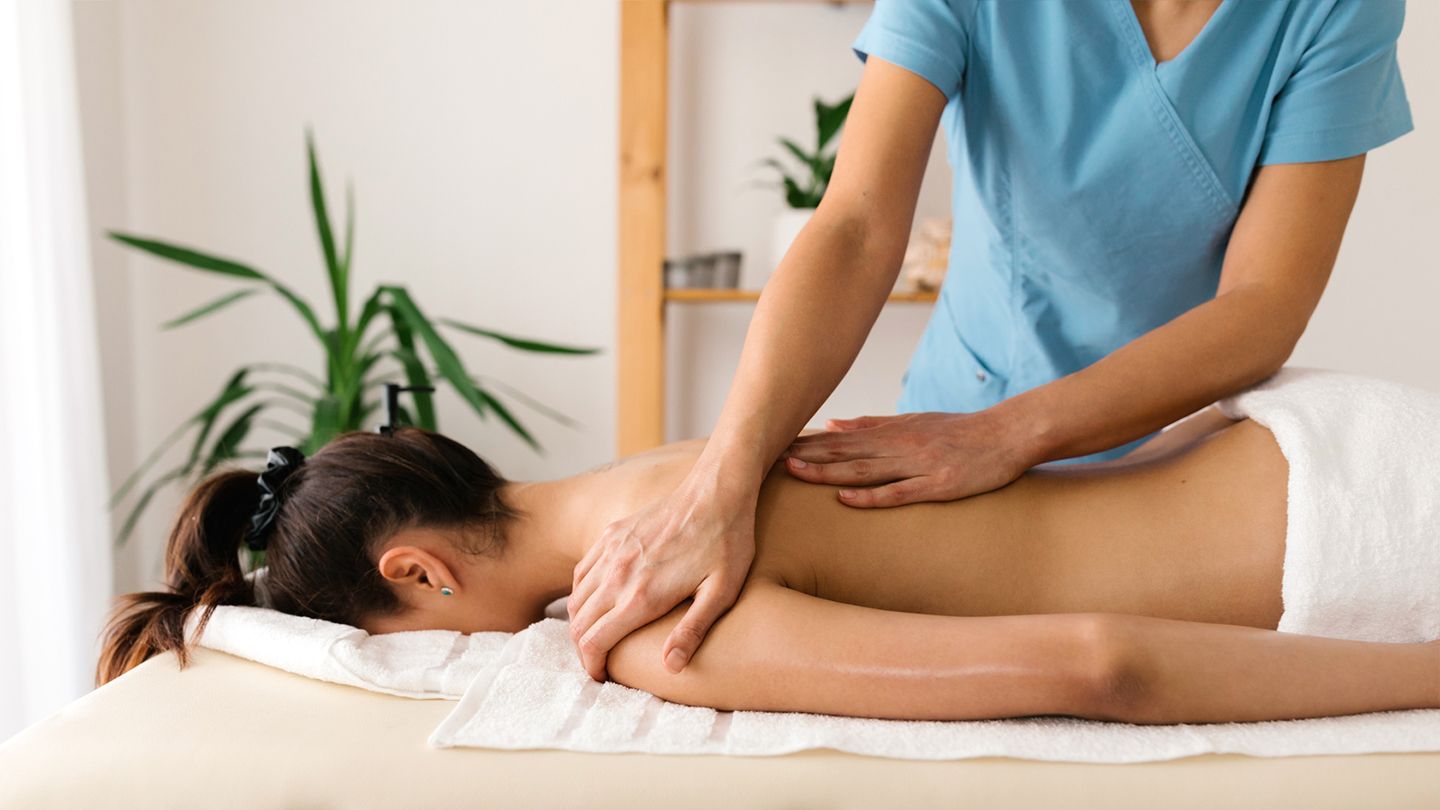
After an intense workout or a long day of physical activity, your muscles often need special attention to bounce back. Massage therapy has proven to be one of the most effective ways to help your body recover and heal.
Understanding muscle soreness
When you exercise or engage in physical activities, your muscles develop tiny tears. This natural process leads to muscle soreness and stiffness. While some people might try to push through the discomfort, proper recovery is essential for building stronger muscles and preventing injury.
Muscles benefit from massage because it increases blood flow. This enhanced circulation brings more oxygen and nutrients to tired tissues while helping remove waste products that build up during exercise. Many athletes have found relief at calm massage Tomball, where skilled therapists understand how to target specific muscle groups.
Benefits of massage for muscle recovery
- Reduces inflammation in sore muscles
- Helps break up scar tissue
- Improves flexibility and range of motion
- Speeds up healing time
- Decreases muscle tension
- Promotes better sleep quality
Different types of massage techniques
The sports massage focuses on the muscles that are used in your activity. Deep tissue massage reaches deeper layers of muscle to release chronic tension. Swedish massage uses gentle strokes to promote overall relaxation. At calm massage tomball, therapists can customize these techniques to match your recovery needs.
Timing matters
Getting a massage at the right time can make a big difference in your recovery. While some people benefit from immediate post-workout massage, others find better results waiting 24-48 hours after intense exercise. Listen to your body and schedule your sessions accordingly.
Pain reduction and healing
Massage therapy helps reduce pain naturally by triggering the release of endorphins, your body’s natural pain-fighting chemicals. Regular sessions can lead to faster recovery times and less overall muscle soreness after workouts.
Preventing future injuries
Regular massage therapy doesn’t just help with current muscle soreness – it can also help prevent future injuries. By keeping muscles loose and flexible, you’re less likely to experience strains or tears during physical activity.
Mental benefits
The recovery process isn’t just physical. Massage therapy helps reduce stress and anxiety, leading to better overall recovery. When your mind is relaxed, your body can focus more energy on healing and rebuilding muscle tissue.
How often should you get a massage?
This depends on your activity level and recovery needs. Some athletes benefit from weekly sessions, while others might need monthly appointments. The key is finding a schedule that works for your body and lifestyle.
Tips for maximum benefits
- Stay hydrated before and after your massage
- Communicate with your therapist about pressure preferences
- Wear comfortable clothing
- Take time to rest after your session
- Maintain good posture throughout the day
- Continue with gentle stretching between sessions
Healing touch
Massage therapy offers a natural, effective way to support muscle recovery. Whether you’re an athlete, weekend warrior, or someone dealing with everyday muscle tension, massage can help your body heal and perform better.
Your muscles work hard for you every day, and they deserve proper care. Through consistent massage therapy, you can help your body recover faster, perform better, and stay healthier. Whether you’re training for a competition or want to feel your best, massage therapy can be a valuable part of your recovery routine.

Comments are closed.