

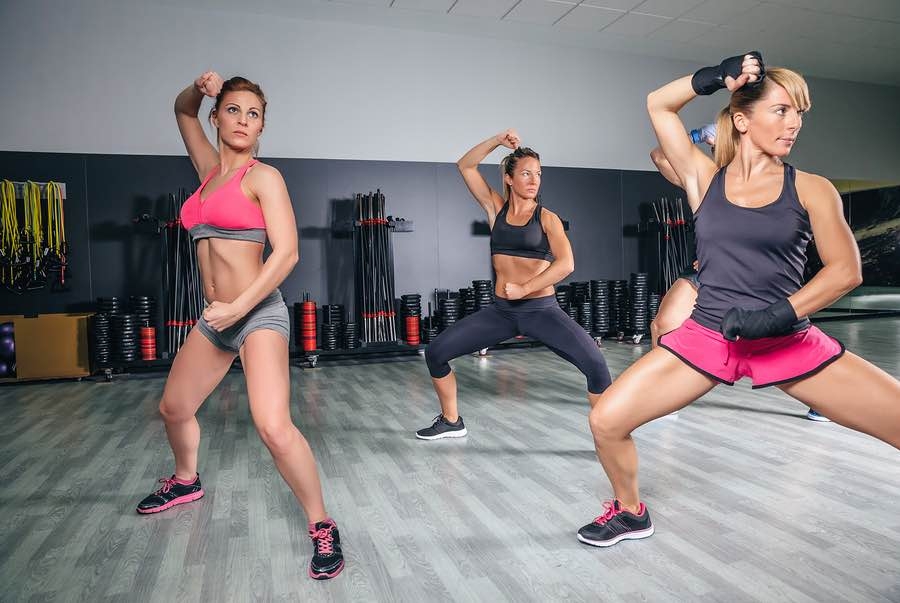
One of the most common questions asked by people considering their first group fitness class is whether it is safe for someone at their stage of life or with their physical condition. The question becomes even more pressing when the class in question involves punching, kicking, and high-energy movement sequences. A bodycombat class is often assumed to be the domain of young, already-fit participants, but this assumption is not accurate and it keeps many people away from a workout that could genuinely benefit them.
This article addresses the safety considerations for three specific groups: absolute beginners with no prior fitness experience, older adults and seniors, and individuals managing joint issues such as knee pain, hip discomfort, or shoulder problems. It covers what the research says, what practical modifications are available, and how to approach the class responsibly.
Safety for Absolute Beginners
Beginning any new exercise programme carries a period of adjustment, and BodyCombat is no exception. The good news is that the programme is specifically designed to be accessible to people with no martial arts background and no prior group fitness experience.
The foundational movements in BodyCombat, including jabs, crosses, hooks, uppercuts, front kicks, and squats, are all performed using bodyweight only. There is no contact, no sparring partner, and no equipment to manage. This significantly reduces the technical barrier compared to actual martial arts training.
For beginners, the primary safety considerations are as follows:
Cardiovascular readiness: BodyCombat is a high-intensity workout. If you have been largely sedentary and have not exercised consistently for more than six months, it is advisable to consult a doctor before starting, particularly if you have any known cardiovascular conditions. For most healthy adults, beginning at a lower intensity and building up over the first few sessions is the appropriate approach.
Learning the technique: Poor technique is the most common source of discomfort for beginners. Improper punching form, for example, throwing punches with a locked elbow or incorrect wrist alignment, can cause elbow or wrist strain. Instructors at reputable fitness centres demonstrate correct form throughout the class, and beginners are strongly encouraged to prioritise technique over speed or power in their first month.
Pacing yourself: There is no requirement to match the instructor’s intensity from your very first class. Reducing the height of kicks, softening the impact of movements, and taking brief standing rests when needed are all appropriate and accepted modifications for beginners.
Safety for Seniors and Older Adults
Singapore has a rapidly ageing population, with seniors comprising an increasing proportion of gym memberships across the country. The question of whether BodyCombat is suitable for older adults deserves a thoughtful, evidence-based answer.
The short answer is yes, with appropriate modifications and in the absence of specific contraindications. Here is why.
Regular moderate to vigorous aerobic exercise is one of the most strongly evidenced interventions for healthy ageing. It improves cardiovascular health, maintains bone density, preserves muscle mass, enhances balance and coordination, and has significant protective effects against cognitive decline. BodyCombat, when modified to suit individual capacity, delivers all of these benefits.
Bone health is a particularly relevant consideration for older adults, especially post-menopausal women who are at elevated risk of osteoporosis. The weight-bearing, impact-based nature of BodyCombat, including the stepping and kicking movements, stimulates bone remodelling and helps maintain or improve bone density over time.
Balance and fall prevention are also significantly supported by the coordination demands of BodyCombat. The single-leg stances involved in kicks, the lateral movement patterns, and the need to maintain a stable base while performing upper body combinations all challenge and develop the proprioceptive systems that govern balance.
For seniors attending BodyCombat, key modifications include:
- Reducing the height of kicks to a comfortable range, keeping kicks below hip height where appropriate
- Stepping rather than jumping during high-impact sequences
- Using a wider, lower stance for greater stability
- Reducing the speed and power of striking combinations while maintaining correct form
- Taking water breaks and monitoring heart rate using a wearable device
Seniors with hypertension, a history of cardiac events, or other significant health conditions should seek medical clearance before beginning any new high-intensity exercise programme.
Safety for People with Joint Issues
Joint discomfort is perhaps the most frequently cited concern among people hesitant to try BodyCombat. The knees, hips, and shoulders are the three areas most commonly in question.
Knee concerns: BodyCombat involves squatting, lunging, and kicking movements that place load on the knee joint. For people with mild to moderate knee osteoarthritis or a history of knee injury, the key is impact modification. All jumping and plyometric movements can be replaced with their low-impact equivalents. Squats can be reduced in depth to a range that is comfortable and pain-free. The strengthening of quadriceps, hamstrings, and glutes that occurs with regular training actually supports knee health over time by providing better muscular support to the joint.
Hip concerns: People with hip replacement or hip impingement need to be cautious with the high kick sequences. Kicks can be significantly reduced in height or replaced with knee raises, which provide a similar cardiovascular and muscle engagement benefit without the range of motion demands on the hip joint.
Shoulder concerns: The punching combinations in BodyCombat involve repetitive shoulder movement. People with rotator cuff injuries or shoulder impingement should avoid overhead punches, or execute them with significantly reduced range of motion. Uppercut and cross movements are generally better tolerated than overhead strikes for those with shoulder issues.
The importance of communicating with your instructor: Instructors at quality fitness centres are trained to offer modifications and are the best first point of contact for managing a specific physical concern. Arriving a few minutes early to your first class and briefly informing the instructor of any joint issues allows them to guide you through appropriate modifications throughout the session.
At True Fitness Singapore, instructors are qualified and experienced in adapting the programme for participants with varying physical conditions, making it one of the safer environments for people navigating fitness with existing health considerations.
General Contraindications
While BodyCombat is broadly accessible, there are situations where medical clearance or temporary avoidance is recommended:
- Active injury in the lower limbs or spine where weight-bearing exercise has been restricted by a physiotherapist or doctor
- Acute flare-up of inflammatory arthritis conditions such as rheumatoid arthritis
- Pregnancy, particularly beyond the first trimester, unless the individual has been exercising regularly and has explicit clearance from their obstetrician
- Recovery from cardiac events, surgery, or serious illness within the preceding three to six months
- Uncontrolled hypertension or known cardiovascular conditions not yet medically managed
These are general guidelines. Individual circumstances vary widely, and a conversation with a healthcare provider is always the most reliable basis for a decision about exercise readiness.
Building Up Gradually: A Practical Approach
For anyone in the beginner, senior, or joint-issue categories, the most sensible approach is a gradual progression model. Start by attending one session per week and assess how your body responds in the 24 to 48 hours following class. If recovery is manageable and you experience no significant pain during or after class, increase to two sessions per week. Over four to six weeks, the body adapts progressively, and what once felt challenging becomes manageable at a higher level of performance.
FAQ
Q: Do I need to see a doctor before my very first BodyCombat class?
A: If you are a healthy adult with no known cardiovascular conditions, joint issues, or chronic illness, a pre-exercise medical check is not strictly required. However, if you are over 45 years of age, have been sedentary for a prolonged period, or have any existing health conditions, a check-up with your GP before starting is strongly recommended.
Q: Can I attend BodyCombat if I am currently undergoing physiotherapy?
A: This depends entirely on the nature of the condition being treated and the advice of your physiotherapist. Some physiotherapists actively encourage continued low-impact exercise during treatment, while others may advise rest or restriction on certain movements. Always follow your physiotherapist’s guidance and keep them informed about what classes you are attending.
Q: I am 62 years old and have not exercised in years. Is it too late to start BodyCombat?
A: It is never too late to begin a fitness programme. Adults who take up regular vigorous exercise later in life still achieve significant health benefits including improved cardiovascular health, better bone density, and enhanced cognitive function. The key is to start conservatively, modify appropriately, and progress gradually with guidance from qualified instructors.
Q: Will the impact of BodyCombat make my joint pain worse over time?
A: Not necessarily. While acute flare-ups can occur if you overtrain or use poor technique, regular low-impact exercise generally supports joint health by strengthening the surrounding muscles, improving flexibility, and maintaining a healthy body weight, all of which reduce stress on joints. The critical factor is technique and appropriate modification.
Q: Is there a lower-impact version of BodyCombat I can try first?
A: The standard BodyCombat programme includes modifications for most high-impact movements. Any jumping or plyometric section can be performed as a lower-impact step variation. Instructors typically demonstrate both versions simultaneously, so participants can choose the option that suits their capacity at any given moment in the class.
Q: Are there age limits for attending BodyCombat classes?
A: Most group fitness facilities in Singapore require participants to be at least 16 years of age, though this varies by gym. There is no upper age limit. Older adults are welcome and often find group fitness to be a valuable source of both physical and social engagement.

Comments are closed.