

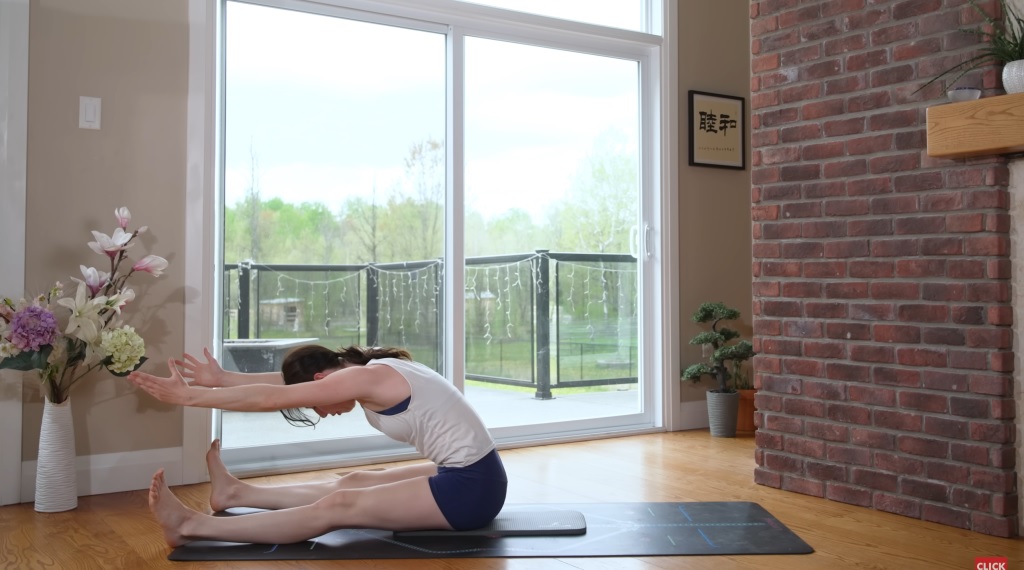
Understanding Posture Intelligence
Posture is more than how you stand or sit. It reflects your muscle coordination, spinal alignment, and neuromuscular awareness that shape how your body moves every day. Posture intelligence refers to the body’s ability to maintain optimal alignment automatically, even without conscious effort. Unfortunately, prolonged sitting, mobile device use, and modern work routines weaken this intelligence, making poor posture a silent habit that builds discomfort over time.
Yogalates has emerged as one of the most effective methods to rebuild this posture awareness. Combining the mindfulness of yoga with the core precision of Pilates, it allows the body to re-educate its muscles and nervous system, encouraging correct alignment in both static and dynamic positions. In recent years, classes in yogalates Singapore studios have gained recognition for their success in restoring functional posture, especially among professionals who spend long hours at desks.
How Yogalates Builds Postural Awareness
The first principle of posture correction in Yogalates is body awareness. Every pose, stretch, and controlled movement demands conscious observation of how your muscles activate. Over time, this mindful engagement strengthens the neuromuscular pathways that regulate natural alignment.
When you focus on breathing and slow transitions, the brain begins to link movement with structural awareness. This consistent mind-body connection retrains your postural memory, helping your spine and core muscles hold correct alignment subconsciously. The process is gradual but deeply transformative.
The Science of Alignment Memory
Alignment memory develops through proprioception, the body’s internal sense of space and position. Poor posture dulls proprioceptive accuracy, but Yogalates reawakens it through controlled core work and balanced stretching. When your body repeatedly experiences correct alignment, the neural circuits storing posture patterns begin to adapt.
Key physiological benefits:
-
Muscle memory enhancement: Consistent repetitions reinforce proper posture habits that carry into daily movement.
-
Joint stabilisation: Balanced tension around joints prevents slouching and overextension.
-
Spinal decompression: Gentle elongation exercises relieve vertebral pressure, improving oxygen flow to surrounding tissues.
-
Nervous system recalibration: Conscious alignment improves communication between brain and muscles, reducing unconscious strain.
The Role of Core Intelligence
The centre of posture intelligence lies in the core. Yogalates focuses on deep stabilisers such as the transverse abdominis, pelvic floor, and multifidus. These muscles act like the body’s internal corset, supporting the spine from within. When strengthened correctly, they maintain alignment naturally without creating tension or rigidity.
Regular Yogalates sessions teach you to engage the core not through force, but through control. This subtle activation pattern becomes part of your postural behaviour, allowing effortless uprightness whether you are standing, sitting, or walking. Over time, your movements start to feel lighter and more balanced.
Correcting Common Postural Deviations
Poor posture appears in several patterns, and each responds differently to Yogalates training.
1. Forward head posture
This is common among people working long hours on computers. Yogalates helps by strengthening the deep cervical flexors and stretching tight upper-back muscles. Controlled chin-tucks and spinal mobility drills gradually restore the natural neck curve.
2. Rounded shoulders
Weak scapular stabilisers lead to rounded shoulders. Yogalates promotes scapular retraction through slow, deliberate arm sequences combined with breath control. The shoulder blades begin to rest naturally in their neutral position.
3. Anterior pelvic tilt
When the pelvis tilts forward, lower-back tension and abdominal weakness occur. Yogalates balances this by activating the glutes and hamstrings while encouraging length in the hip flexors. Controlled pelvic curls help neutralise the tilt.
4. Flat back posture
A flat lumbar curve often comes from over-engaging the abdominals. Yogalates introduces back extension work to restore spinal mobility, ensuring the natural S-curve returns.
Integrating Postural Intelligence into Daily Life
A true posture transformation happens outside the studio. Yogalates practitioners learn to apply the principles of alignment awareness during ordinary activities.
Practical examples include:
-
Adjusting chair height and hip positioning when working on a laptop
-
Standing evenly on both feet while commuting
-
Engaging the core lightly during household chores
-
Taking conscious breathing pauses between long meetings
These micro-corrections accumulate into major postural improvements, reducing fatigue and improving focus.
The Emotional Impact of Better Posture
Beyond physical benefits, improved posture influences emotions and mental health. Research shows that upright posture can reduce depressive symptoms and enhance confidence. When you move with balance and stability, your brain associates this state with safety and positivity.
In Singapore’s high-pressure environment, Yogalates offers an emotional anchor. The structured rhythm of mindful movement calms the mind while activating endorphins. As posture improves, so does your energy and sense of control.
From Rehabilitation to Performance
Yogalates bridges the gap between therapy and athletic performance. Physiotherapists often recommend it for spinal rehabilitation, but it is equally beneficial for athletes seeking body efficiency. Improved alignment leads to better muscle recruitment, joint function, and endurance. For instance, runners and cyclists in Singapore often incorporate Yogalates into their cross-training routines to enhance form and recovery.
Breathing and Posture Symbiosis
Breath is central to posture intelligence. Shallow breathing can tighten the chest and limit diaphragm movement, reinforcing poor posture. Yogalates restores the natural breathing mechanics by promoting full diaphragmatic expansion. Each inhale supports spinal elongation, while each exhale stabilises the core. Over time, breathing and posture function as one integrated rhythm.
How Singapore’s Lifestyle Influences Posture Patterns
Urban living in Singapore brings unique postural challenges. The combination of desk work, smartphone use, and air-conditioned environments reduces mobility. Many professionals spend hours sitting, creating chronic hip tightness and slouched shoulders. Yogalates classes adapt to this lifestyle by focusing on functional mobility rather than aesthetic goals. Sessions emphasise spinal decompression, shoulder blade stability, and mindful core control suitable for busy working adults.
The supportive environment at Yoga Edition encourages long-term improvement rather than quick fixes. Each class helps participants reconnect with their body’s natural intelligence, making posture improvement sustainable rather than temporary.
Practical Tips for Building Posture Intelligence through Yogalates
-
Start with slow movements. Prioritise awareness over intensity.
-
Focus on breathing. Use the breath to guide spinal movement.
-
Visualise alignment. Imagine a string lifting your head and elongating your spine.
-
Strengthen supporting muscles. Balance front-body engagement with back-body activation.
-
Stay consistent. Neural adaptation occurs with steady repetition, not occasional practice.
These habits gradually replace poor alignment with effortless balance.
Why Posture Intelligence Matters in the Long Term
Posture is a lifelong investment. Poor alignment not only causes pain but also accelerates ageing of the joints and spine. By cultivating posture intelligence through Yogalates, you safeguard mobility, confidence, and vitality well into later life. The goal is not perfection but harmony — a state where movement, balance, and breath coexist naturally.
FAQs
Q1: How long does it take to notice improved posture through Yogalates?
Most participants begin to observe changes within four to six weeks of regular classes. The body adapts gradually, and consistent practice helps the nervous system remember new alignment cues.
Q2: Can Yogalates help with posture issues caused by scoliosis?
Yes, Yogalates strengthens core stabilisers that support spinal alignment, which can help manage mild scoliosis. However, individuals with severe curvature should consult a physiotherapist before starting.
Q3: Is it safe to do Yogalates after spinal surgery or injury?
It is safe under professional guidance. Instructors can modify postures to suit individual recovery stages, focusing on gentle mobility and progressive strengthening.
Q4: How does improved posture affect energy levels during the day?
Good posture allows the lungs to expand fully and enhances circulation. This improves oxygen delivery, which keeps you more alert and energetic throughout your workday.
Q5: Can Yogalates be practiced at home to maintain posture intelligence?
Yes, but it’s best to start under supervision to learn correct alignment. Once familiar, short daily sequences at home can reinforce posture memory effectively.

Comments are closed.